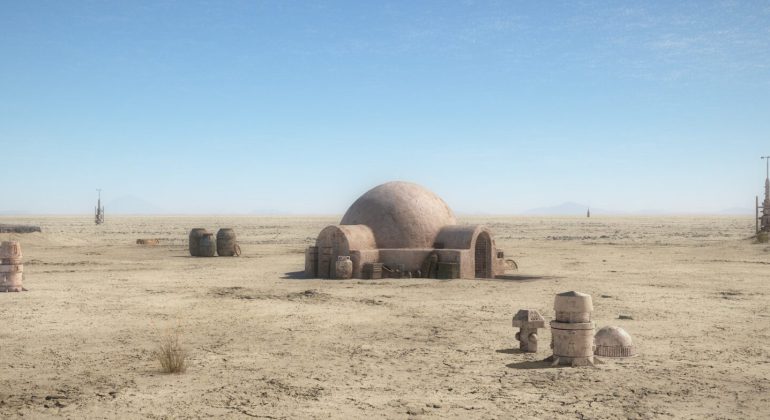

In an era when climate resilience and resource efficiency dominate the conversation, the Star Wars universe, though fictional, offers compelling architectural examples that can inspire real-world sustainability thinking. One such structure is the Lars Homestead on Tatooine, the humble moisture-farming dwelling where Luke Skywalker grew up. The Lars Homestead on Tatooine is a perfect example of how simple, climate-responsive, low-carbon design can support generations of life, even in an extreme environment.
Whole-life carbon looks at the full environmental impact of a building from start to finish. Instead of only measuring emissions during construction or occupation, it considers every stage of the building’s journey. This begins with the extraction and processing of raw materials, continues through manufacturing, transport and on-site construction, and carries on into the operational phase where energy and water use contribute to ongoing emissions. Finally, it includes what happens at the end of the building’s life, whether materials are reused, recycled, or sent to landfill.
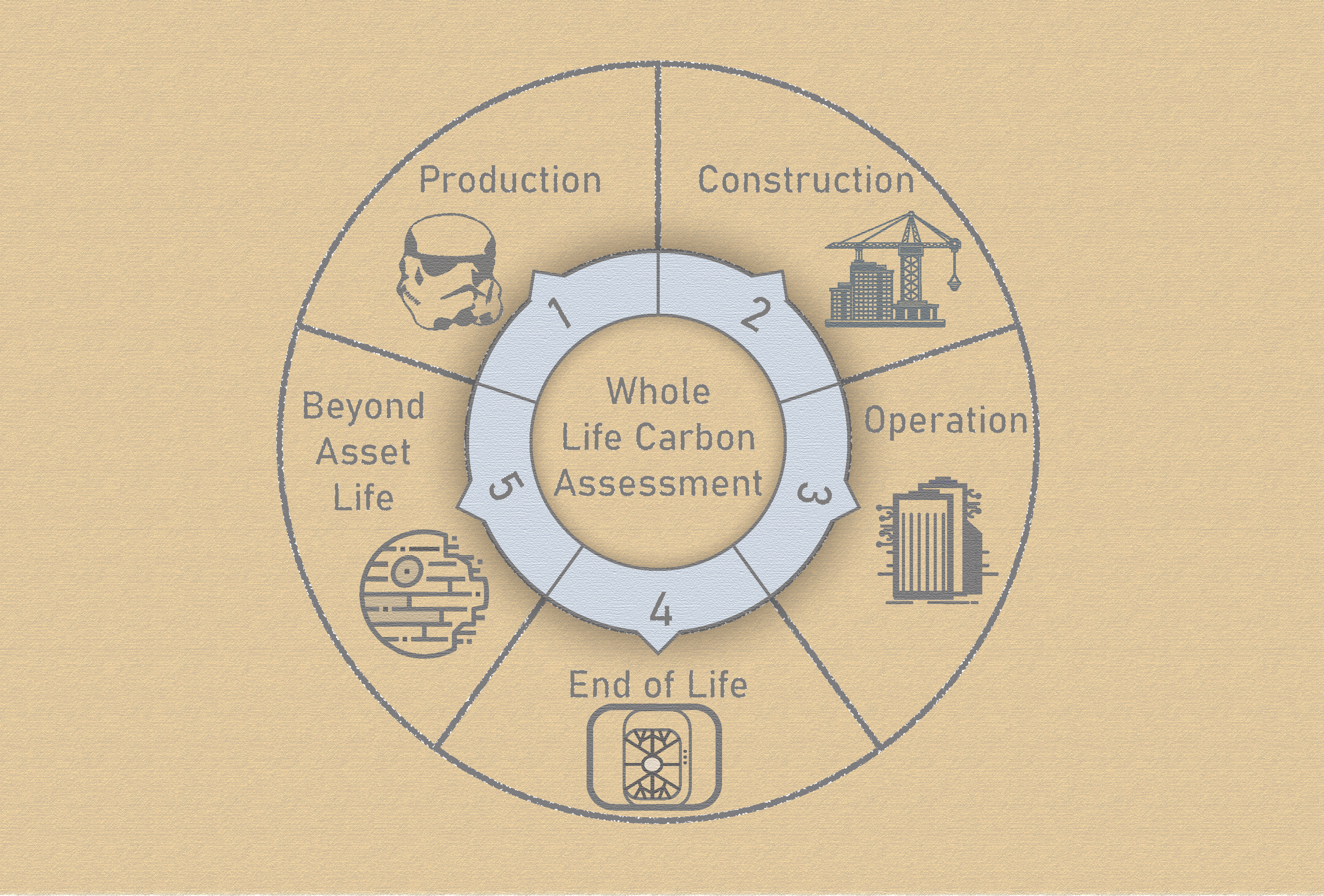
Figure 2. Whole Life Carbon Assessment Process Diagram
Meanwhile, the circular economy aims to keep materials and products in use for as long as possible by prioritising reuse, repair, and recycling, rather than the extract-consume-dispose cycle typical of modern industry. Together, these principles encourage buildings that last longer, waste less, and deliver better environmental performance over time.
At its core, the circular economy is built on three key principles:
- Designing out waste and pollution – creating products and systems that minimise environmental impact from the outset.
- Keeping materials and products in use – ensuring resources remain in the loop through reuse, repair, and recycling.
- Regenerating natural systems – supporting ecosystems and restoring, rather than depleting, natural capital.
This model is increasingly important as industries work to address major global challenges like climate change, biodiversity loss, pollution, and the growing pressure on resources. By shifting towards circularity, developments can be more efficient, resilient, and aligned with sustainability goals.
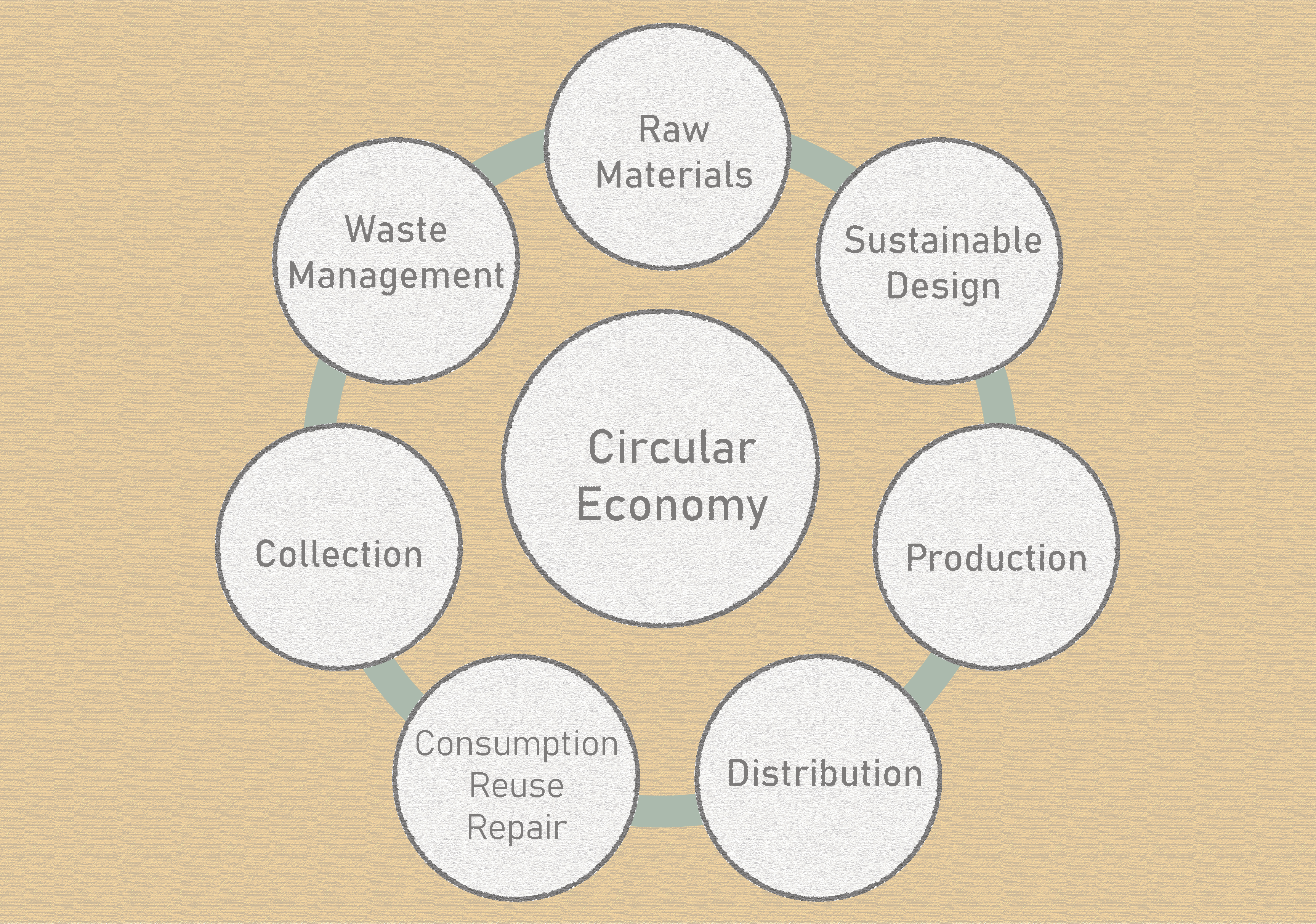
Figure 2. Circular Economy Process Diagram
While the films never mention circular economy or whole-life carbon, the building practices implied in the Star Wars universe, especially on resource-scarce planets, align surprisingly well with modern sustainable design principles.
The Lars Homestead is situated in a harsh desert climate, off-grid and designed to rely on scarce resources.It is designed for passive environmental control, and is constructed with minimal access to manufactured materials. Its longevity, being repaired, reused, and adapted across generations, shows a resilient approach to building in resource-scarce environments. These characteristics closely mirror the challenges faced in real-world regions that struggle with water scarcity, extreme temperatures, and limited supply chains.
Whole-life carbon accounts for emissions from a building’s entire lifespan, from extracting materials to demolition or repurposing. The Lars Homestead reflects several low-carbon principles, intentionally or not.
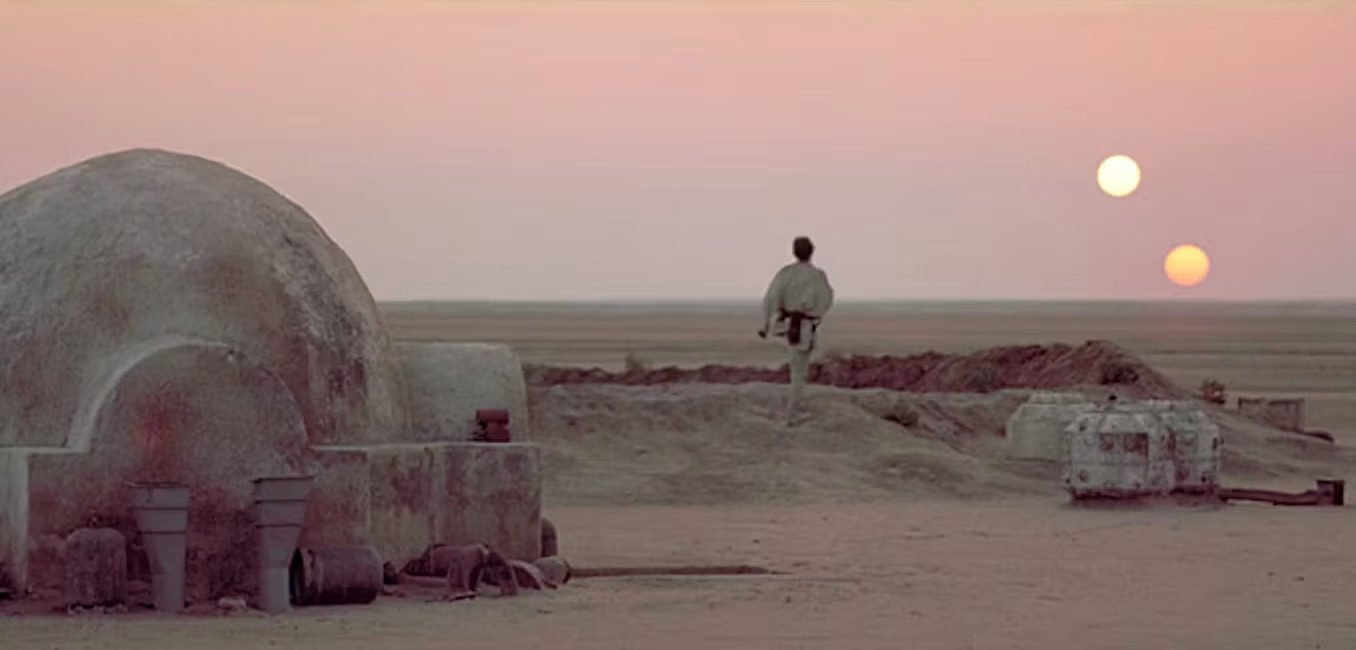
Figure 4. Lars Homestead on Tatooine – Capture from New Hope Star Wars
Low Carbon Materials
The Lars Homestead appears to be built almost entirely from earth-based materials such as adobe blocks, rammed earth, and local stone -resources that would be abundant on a desert planet like Tatooine. Because these materials require minimal processing, their embodied carbon emissions would be extremely low compared to high-energy industrial materials like steel or concrete. Adobe and rammed earth are typically sun-dried or compacted rather than kiln-fired, meaning the construction process avoids the carbon-intensive steps associated with modern cement production. Transport emissions would also be negligible, as materials are sourced directly from the surrounding terrain instead of being shipped in from distant locations. As a result, almost all of the carbon footprint of the homestead would come from labour rather than from industrial processes, a striking contrast to contemporary construction. Once built, its operational carbon remains exceptionally low thanks to passive design techniques, making the homestead a powerful example of climate-appropriate, low-energy construction.
Passive measures
Passive design is equally crucial in reuction of operation energy use and associated carbon emissions. The homestead’s thick adobe and stone walls create substantial thermal mass, allowing them to absorb heat during Tatooine’s scorching days and release it slowly during freezing nights. Thermal mass refers to a material’s ability to absorb, store, and slowly release heat. In a desert climate, where temperatures often swing from 40–50°C down to near freezing, the ability to stabilise indoor temperatures without mechanical heating or cooling is invaluable. Earth-sheltered construction further reduces heat gain and heat loss, significantly lowering operational carbon. Tatooine’s twin suns provide intense solar energy, but the homestead’s subterranean design turns this challenge into an advantage by buffering occupants from extreme fluctuations.

Figure 5. Figure showing the Thermal Mass Effect
Longevity and Reparibility
Perhaps the most powerful sustainability lesson comes from the homestead’s longevity and repairability.The Lars Homestead is occupied by multiple generations of the same family, demonstrating its durability and adaptability. It begins with Cliegg Lars, who maintains the homestead with his wife Shmi Skywalker. Later, Owen and Beru Lars take over stewardship of the dwelling, modifying and repairing it as needed to support their moisture-farming livelihood. Luke Skywalker is raised there as the third generation to inhabit the structure. This continuity over decades suggests that the homestead was designed not merely as a temporary shelter but as a long-term, evolving residence capable of supporting family life across major technological and cultural changes.
Buildings that last this long inherently reduce whole-life carbon because the emissions associated with new materials, construction, and demolition are spread over many decades or avoided entirely. The homestead’s components are clearly built for repair rather than replacement: moisture vaporators are serviced instead of discarded, domes and structures are patched rather than rebuilt, and nothing appears overly dependent on complex systems that would quickly become obsolete. This low-tech, high-durability approach ensures that materials remain in use for as long as possible, aligning with modern circular-economy principles long before the term existed.
Circular Economy on Tatooine
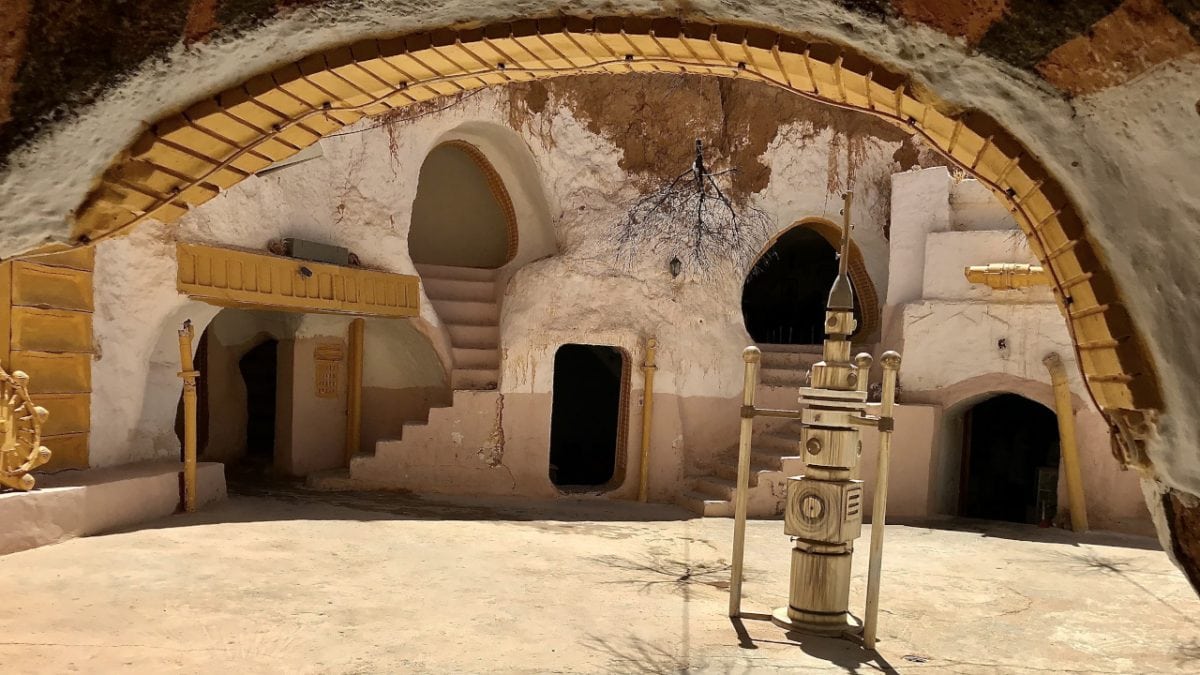
Figure 6. Lars Homestead on Tatooine Interior View – Star Wars
Circular economy principles focus on keeping materials in use for as long as possible, and the Lars Homestead is a surprisingly rich example of how this works, even on a desert planet in a fictional galaxy. One of the clearest demonstrations of circular thinking is the way moisture vaporators are treated. Moisture vaporators are frequently repaired, with older or damaged units used as sources of spare parts to keep others running. This approach reflects key circular strategies such as material recirculation and component-level replacement, extending the lifespan of equipment and reducing the need for new resources.
Adaptability is another defining characteristic of the homestead. Over the decades, the structure evolves: new domes are added, storage rooms are expanded, and farming equipment is updated or modified. Instead of demolishing and rebuilding, the family adapts what already exists, a core circular principle that lowers both waste and carbon emissions. This flexibility allows the homestead to remain functional across generations, even as needs change.
Tatooine’s broader culture reinforces these circular behaviours. The planet operates on highly localised resource loops, most notably through moisture farming, which recovers water from the air in a closed system. With limited access to imported goods and few large-scale industrial supply chains, communities rely on repair cultures, scavenging networks, and small-scale material recovery, all embodied perfectly by the resourceful practices of the Jawas. Their approach mirrors modern circular strategies such as district resource loops and material recovery networks, showing that highly effective circular systems can emerge even in the harshest environments.
What Our World Can Learn
While we may not live on twin-sun deserts, the Lars Homestead demonstrates sustainable principles that are wholly applicable to our own world. The first lesson is to build from what is abundant locally. Earth-based materials, stone, and renewable resources often outperform complex, imported materials both environmentally and economically. They help reduce our buildings embodied carbon and are easier to maintain over time.
The second is to prioritise passive design. By using thermal mass, earth sheltering, shading, and strategic siting, buildings can drastically reduce their operational energy demands, providing passive cooling during the day and gentle heat release at night as stored solar energy radiates back into the interior when exterior temperatures drop. These methods have been around for a long time and still offer strong, low-carbon solutions to today’s climate challenges.
The third lesson is to design for repair and longevity. Buildings that can be maintained, upgraded, and adapted for future generations avoid the emissions and waste associated with demolition and reconstruction. And finally, the circular mindset encourages us to view waste as a resource. Just as Jawas roam the desert scavenging and repurposing discarded technology, modern cities can establish robust systems to recover, recycle, and upcycle materials at scale.
The circular economy isn’t a futuristic innovation, it’s an approach rooted in ancient, practical, and resilient ways of living, clearly visible even in the fictional world of Tatooine. The Lars Homestead shows how whole-life carbon reduction can be achieved through simple, climate-appropriate design, material efficiency, and a culture of repair.
By embracing these principles here on Earth, we can build environments that are more resilient, regenerative, and responsive to our climate challenges, proving that sustainability, like the Force, is something that can bind and support everything around us.
Whole-life carbon assessment and circular economy principles are increasingly central to planning policy, sustainability frameworks, and development decision-making. As requirements around embodied and operational carbon become more defined, early and robust assessment is key to supporting compliant and future-ready projects.
At Dexmah, we provide whole-life carbon assessments to support planning submissions, sustainability strategies, and certification requirements such as BREEAM and other environmental standards. Our work integrates carbon analysis with building services and environmental design, helping project teams understand impacts early and identify practical, low-carbon design opportunities.
If you are preparing a planning application, pursuing sustainability certification, or looking to embed circular economy principles into your project, please get in touch with the Dexmah team here to discuss how we can support you.