
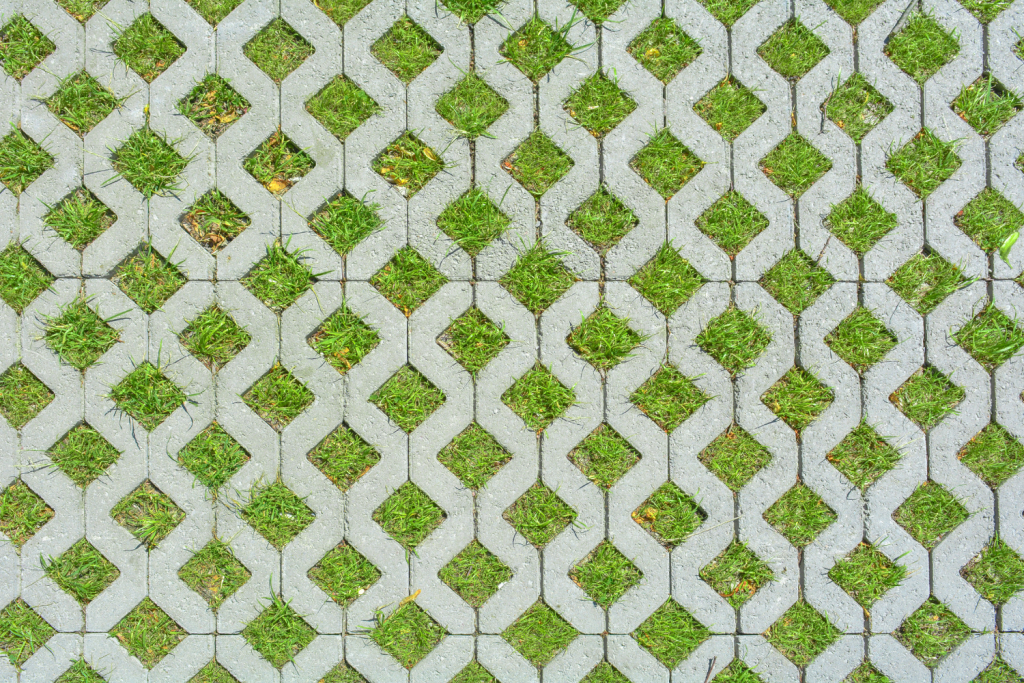



What is a Sustainable Drainage System?
Sustainable Drainage Systems are designed to manage the level of water in a specific area. These systems take a more natural approach to managing water around properties and developments compared to traditional drainage methods. By mimicking the natural water cycle, SuDS help retain rainwater where it falls, store excess water during heavy rainfall, and gradually release it at a controlled rate. As a result, SuDs reduce the risk of flooding and excess surface water – all whilst supporting biodiversity.
What are the different types of SuDs?
There are three different methods that can be used to create a SuDs design best suited to your needs.
Infiltration method
Infiltration methods focus on helping the rainwater to soak into the ground naturally, instead of sending it straight into drains. SuDs that use this method are implemented close to where the rain lands. This simple, natural approach helps reduce surface water and can prevent local flooding.
Here are some examples of SuDs that use this method:
- Permeable paving – using porous concrete or paving wit gaps to allow the water to soak through
- Rain gardens – planted areas that collect rainwater
- Infiltration basins – a shallow, bowl shaped area that’s designed to collect rainwater and let it soak into the soil
Retention method
Retention methods focus on permanently or temporarily storing surface water in large spaces.
Examples of SuDs that use this method include:
- Ponds – ponds help to hold water after rainfall and slowly release it to reduce flooding and improve water quality.
- Underground tanks – Large storage containers buried beneath the ground that slowly release water
- Detention basins – shallow dips in the ground that collect water during heavy storms and slowly let it drain away
Conveyance method
This method focuses on transferring surface water to a specific place. The goal here is to safely manage water flow and prevent flooding by ensuring water drains efficiently.
Examples of SuDs that use this method include:
- Swales – channels planted with grass or vegetation that guide rainwater away
- Bioretention strips — narrow planted strips that direct water to another area.
Benefits of Sustainable Drainage Systems
- They reduce the risk of flooding by slowing down the flow of rainwater and releasing it gradually.
- They enhance biodiversity as many SuDS features create habitats for wildlife, supporting local plants, birds, and insects.
- Systems like swales, permeable surfaces, and wetlands reduce contamination to wildlife by breaking down pollutants such as oils before they reach rivers or streams.
- They enable rainwater to soak into the ground which helps to maintain underground water levels.
- The systems enhance public spaces and boost property value with attractive, green infrastructure.
What we do
At Dexmah, we create Sustainable Drainage Systems (SuDS) that harmonise with nature by managing rainwater in a smarter and greener way.
From rain gardens to permeable paving, we use a mix of techniques to suit your space and needs. It’s all about reducing flood risk, cutting pollution, and making places more attractive and wildlife-friendly.
Whether you’re working on a new development or improving an existing site, we’ll help you create a SuDS that’s practical, eco-friendly, and adds real value.
Our step-by-step approach
Initial Consultation
We begin by understanding your specific requirements, project goals, and any challenges you may face. This helps us create a tailored design to suit your needs.
Site Assessment
Our team conducts a thorough assessment of your site to ensure that we are creating a Sustainable Drainage System that will harmonise with the surrounding area.
Design
Based on our findings, we will recommend the best options to suit your site. Once agreed, we will begin the design work, which includes, calculations, drawings, hydraulic modelling and reporting.
Testing
We rigorously test all designs to ensure they function optimally, making adjustments as needed for maximum efficiency and performance.
Why choose us?

Expertise and experience
Dexmah's consultants bring years of experience in designing tailored SuDs. We ensure your project is optimised for performance and meets industry standards.

Comprehensive support
From the consultation and assessment phases to design and testing, we provide end-to-end support, to ensure smooth implementation and integration.

Sector-specific approach
Whether residential, commercial, or industrial, we tailor our designs to meet the unique needs of your project, ensuring alignment with your goals and sustainability targets.

Proven results
Our clients benefit from solutions that meet your sustainability targets and deadlines, minimise costly revisions, lower maintenance costs, and deliver long-term value and satisfaction.

Other Services
Building Data & Analytics
We use data and analytics to get a full understanding of what's going on in your building.
Design & Engineering Services
Minimise the environmental impact of your building whilst keeping occupants safe and comfortable.
Reports & Certifications
Minimise the environmental impact of your building whilst keeping occupants safe and comfortable.
FAQS
Unlike traditional drainage systems that quickly remove water from an area, SuDs mimic natural drainage processes by slowing down water flow and allowing it to infiltrate into the ground. Benefits include enhanced biodiversity, lower cost over time, reduced risk of flooding and more.
Our team can help you figure that out which SuDs is right for you with a site visit. In the visit, our team will assess key factors like soil type, ground levels, rainfall patterns, and how water naturally flows through the area. Based on this, we recommend the most effective solutions for you.
SuDS slow down the flow of rainwater, store it temporarily, and allow it to soak into the ground or be released gradually. This helps prevent overwhelming drainage systems and reduces surface water flooding.
Whilst it’s easier to include SuDS in new builds, many types (like rain gardens or permeable paving) can be added to existing places with careful planning.
SuDS can be cost-effective compared to traditional drainage – especially over time. Maintenance depends on the design, but many are low-maintenance and provide long-term value through reduced flood damage and environmental benefits.
