

What is PassivHaus design?

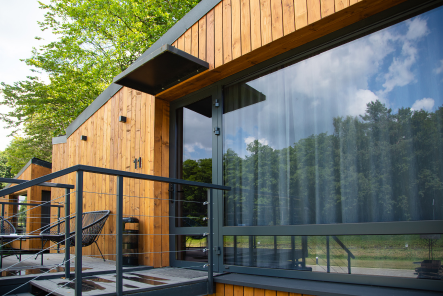
PassivHaus is a sustainable and innovative approach to building design that prioritises energy efficiency. 

In PassivHaus design, a buildings heat is supplied by ‘passive’ sources, such as sunlight, body heat, running appliances, with any additional heat being supplied by a sustainable system such as a heat pump. This allows the building to maintain a consistent indoor temperature all year round.  

As a result, your building will use less energy, which leads to lower utility bills and fewer emissions.  


What are the key principles of PassivHaus design?

There are 5 key principles to achieving effective Passivhaus design:  

To ensure a building is completely airtight, any gaps or openings are carefully sealed 

To minimise changes in temperature, exceptionally thick layers of insulation are used in the walls, roofs, and floors 

Referred to as the ‘lungs of PassivHaus’, this system maintains indoor air quality through providing fresh air whilst retaining indoor heat 

Using high-quality doors and triple-glazed windows ensures heat can’t enter or escape 

Thermal bridges are areas in a building that are prone to heat loss which are prevented through careful attention to technical drawings, insulation and close collaboration across the team  

Benefits of PassivHaus design
PassiveHaus design process
What Do We Do?

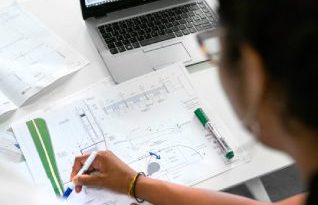
We guide you through every step of the Passivhaus design process, from planning and design to construction.

Whether you’re working on a new or existing build, our tailored approach will ensure that your building seamlessly integrates PassivHaus standards. 

Our step-by-step approach
Assessing the project

We begin by with an assessment of the project’s goals and site conditions. From here, we work with your team to establish key objectives, focused around sustainability and energy efficiency. 

Design

During the design phase, we ensure the building’s layout and structure aligns with the key PassivHaus principles. This includes integrating high-quality windows, ventilation systems, thick insulation and more into the building’s design 

Construction

We ensure that PassivHaus standards are met during the construction phase by closely monitoring all building work. This includes regular checks and adjustments (if necessary) to prevent any changes from the original plan. 

Certification 

After project completion, our BIM models continue to provide value in the facility management phase. The digital model serves as a comprehensive record for ongoing building maintenance, renovations, and upgrades. Facility managers can access crucial information on building systems and maintenance schedules, ensuring that the building operates efficiently and sustainably. 

Why choose us?
Expertise and experience

We have years of experience in delivering PassivHaus design services, allowing you to rest assured that your project will be optimised for performance and meet industry standards.

Comprehensive support

From the planning and design phases to construction and facility management, we provide end-to-end support, ensuring smooth integration of PassivHaus design principles at every stage.

Sector-specific approach

Whether residential, commercial, or industrial, we tailor our strategies to meet the unique needs of your project, ensuring alignment with your goals and sustainability targets.

Proven results

Our clients benefit from improved workflows and streamlined delivery, which reduces the need for future revisions and ensures long-term satisfaction.
Other Services
FAQS

With superior insulation, airtightness, and efficient systems, a PassivHaus building requires little energy to maintain temperature, which ultimately saves on utility bills. 

The time to build a PassivHaus project varies depending on project size, location, and complexity. For example, a new build might take longer due to specific design and material requirements. To discuss timelines for your project, get in touch for a free consultation   

Yes, BIM is not just for the design and construction phases. It can be used for facility management and maintenance after the building is complete. BIM models can store important data for ongoing maintenance, helping facility managers track the building’s performance, plan upgrades, and manage assets.

Yes, PassivHaus construction requires specialised materials such as high-performance insulation, triple-glazed windows, and mechanical ventilation systems. These materials are vital to meet the high energy efficiency standards of PassivHaus. 

A building envelope is a term given to a building that is airtight and well-insulated to maintain a constant temperature. The envelope is a crucial part of the design which is made up of high-quality insulation, windows, doors, airtight seals and more.  

Get in touch for a free consultation on how we can help you with you project

Thank you for your interest in working with us, please fill out the form and we will get back to you shortly.
0333 305 6668
Alternatively, feel free to give us a call at this number.